Hauntography of a Revolution, 2018
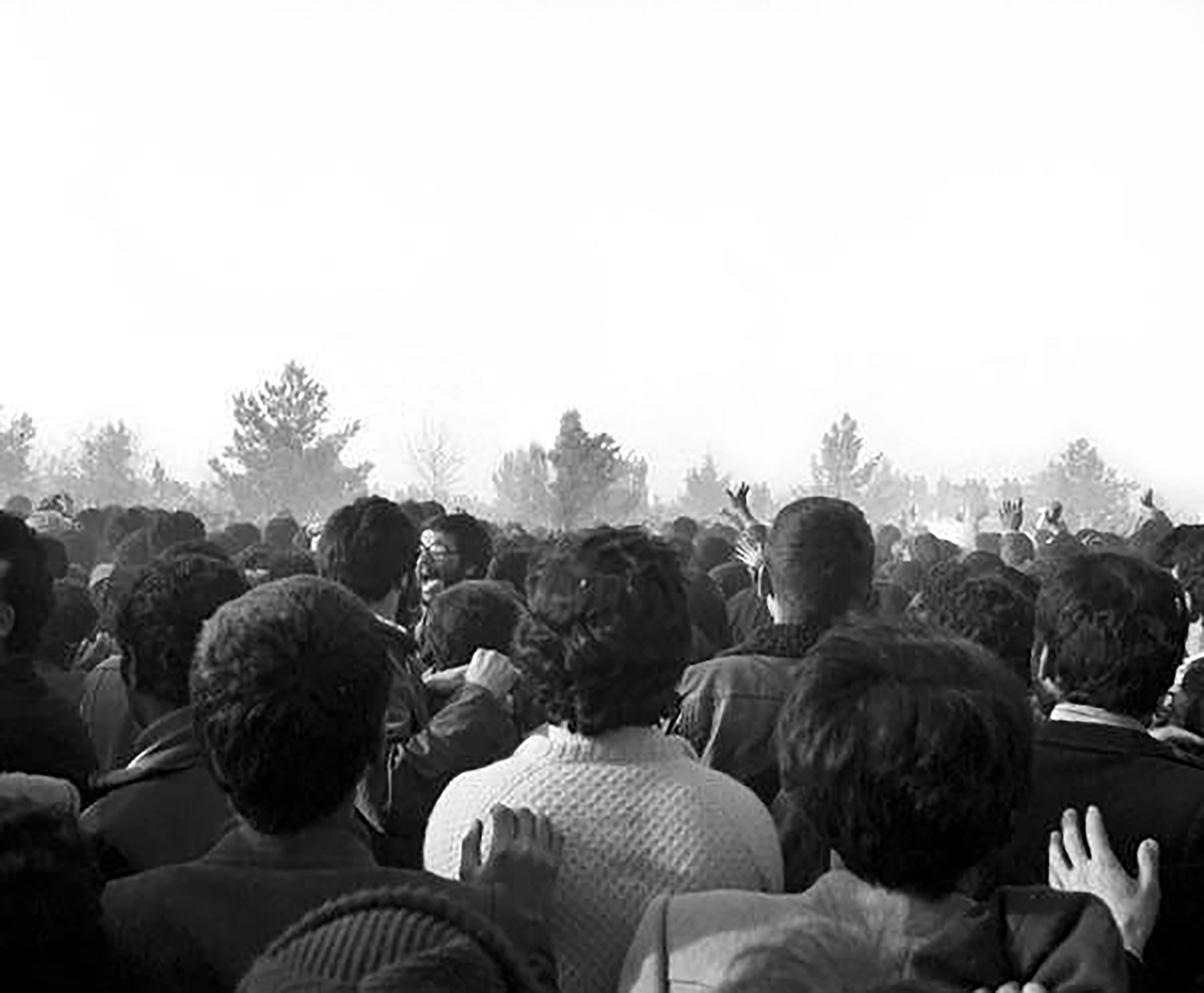
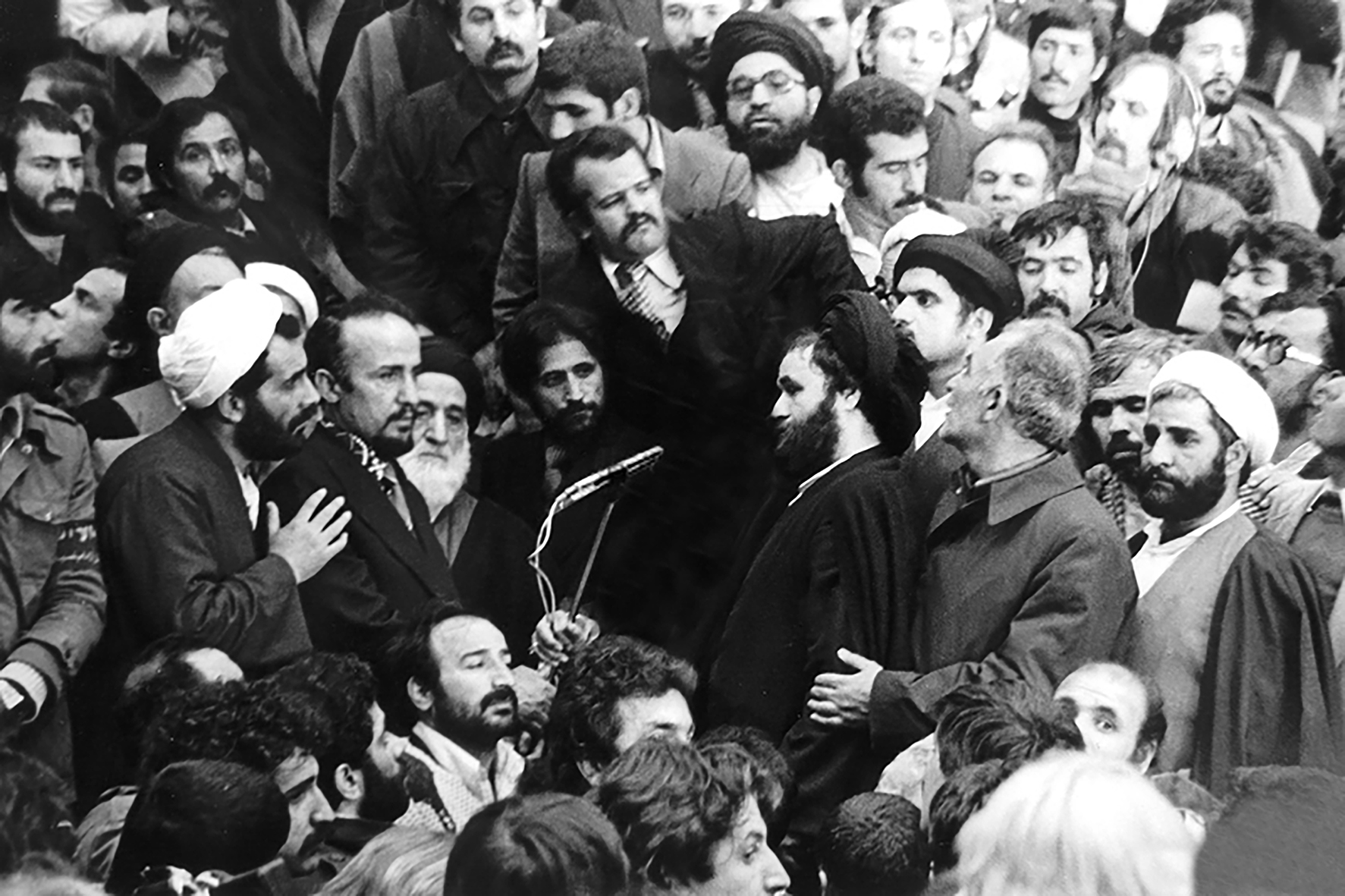
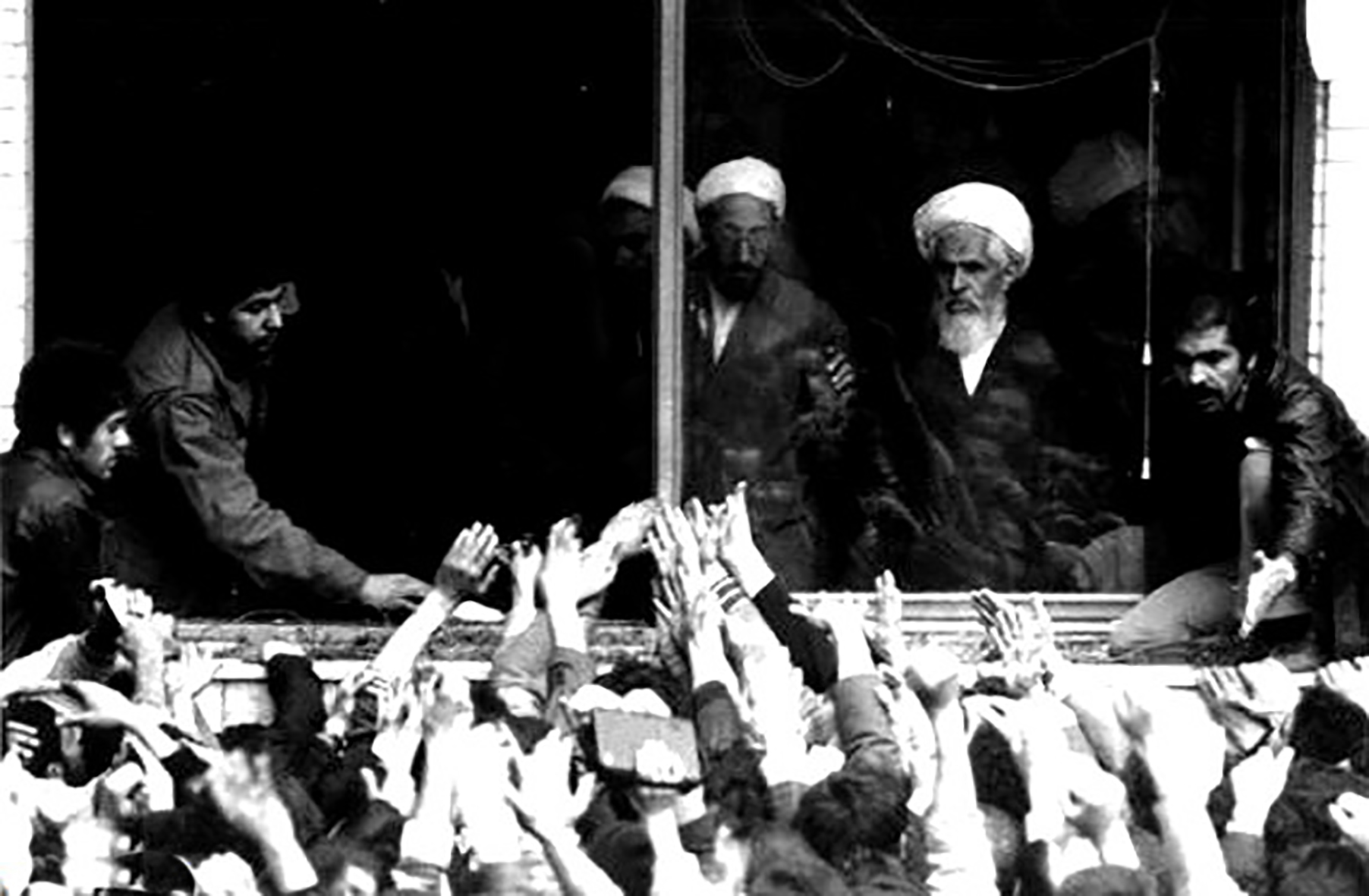
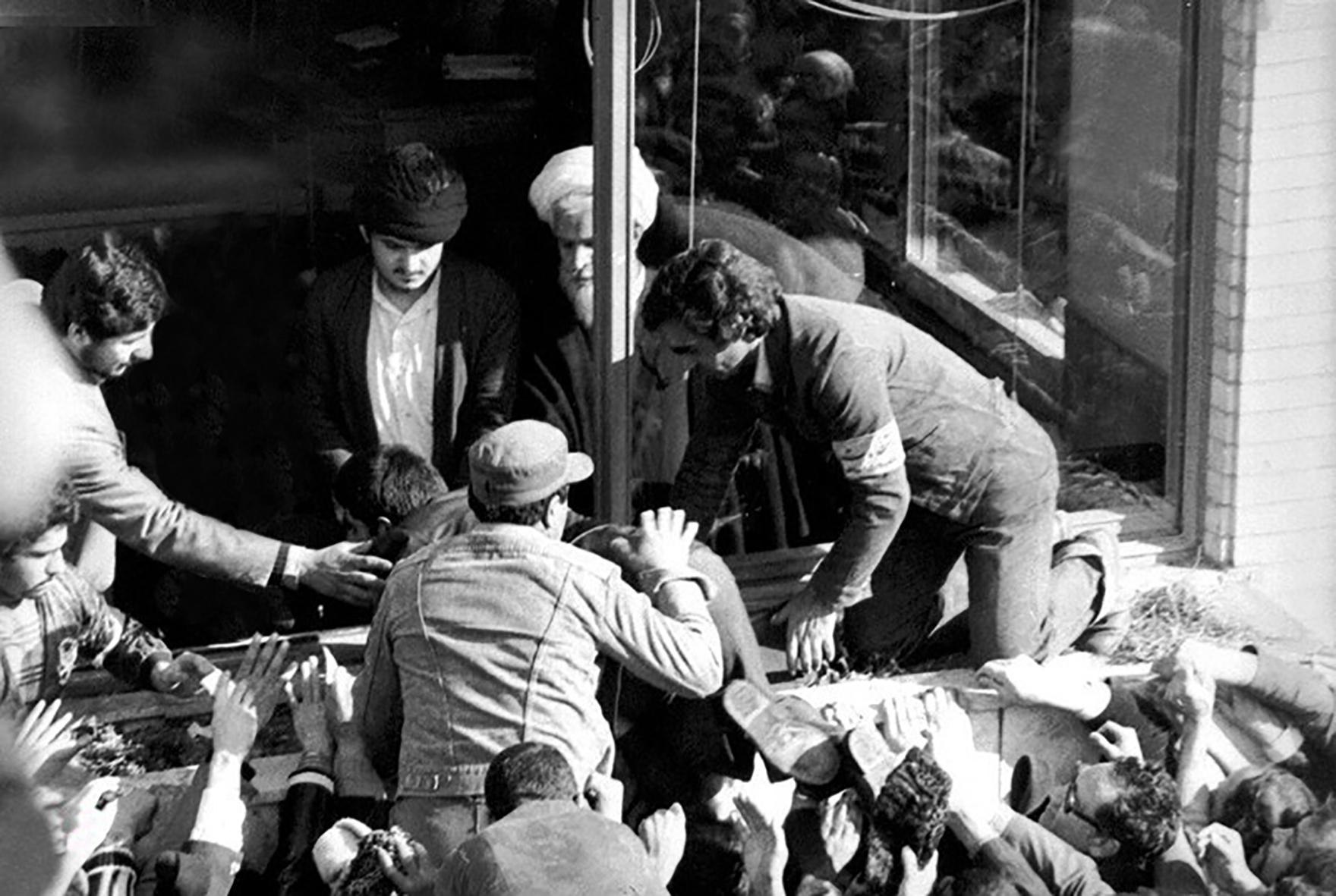
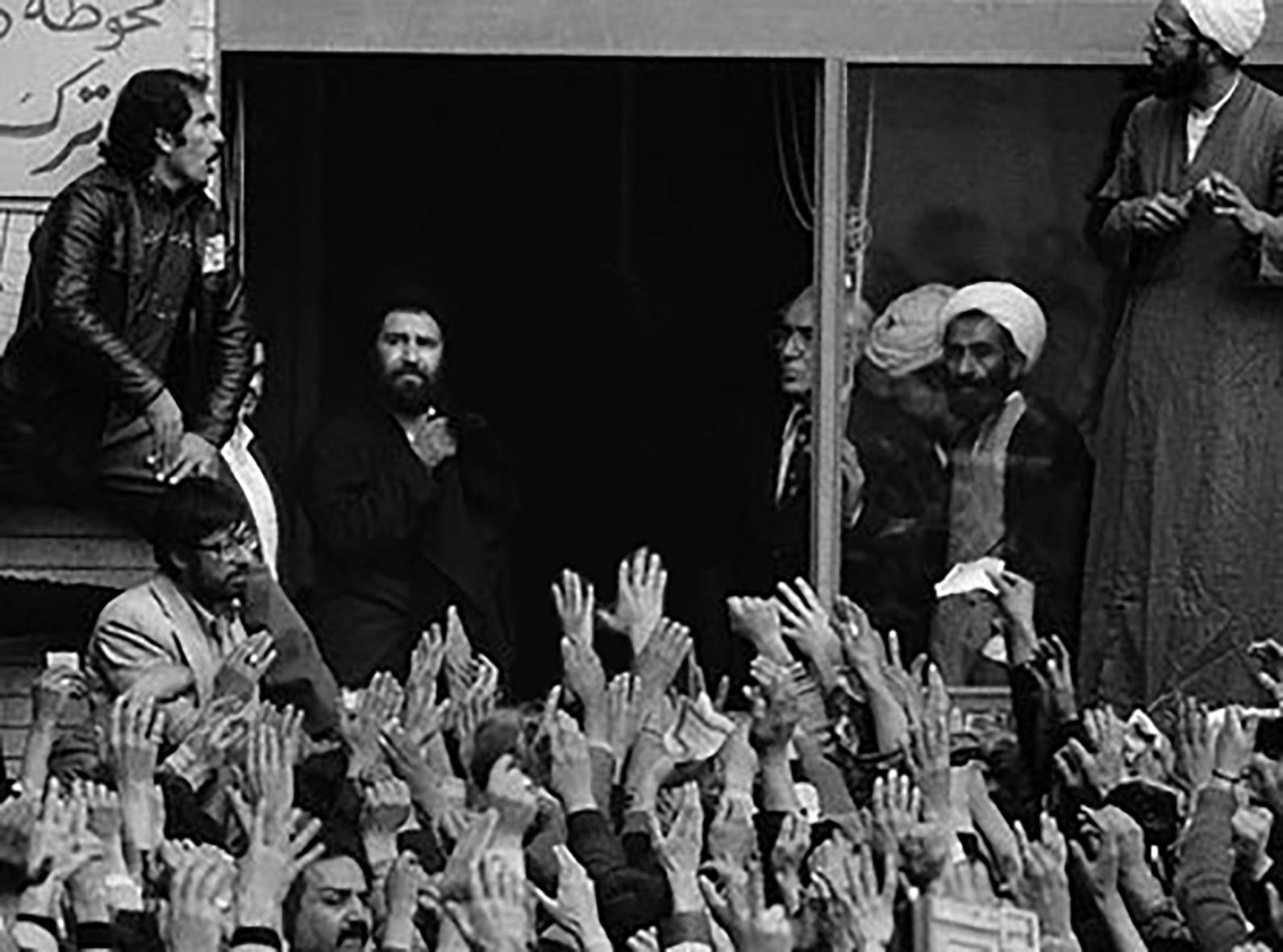
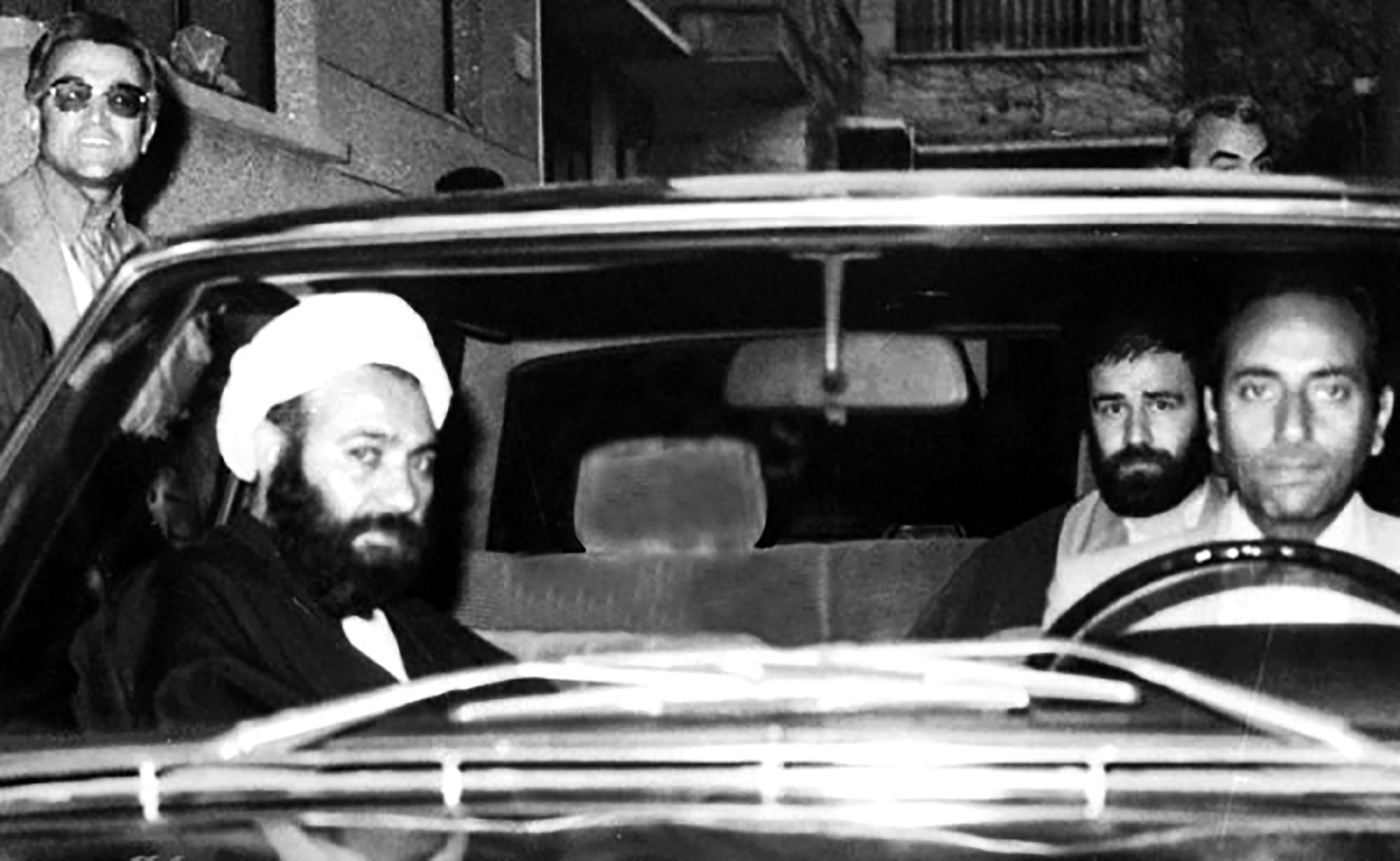
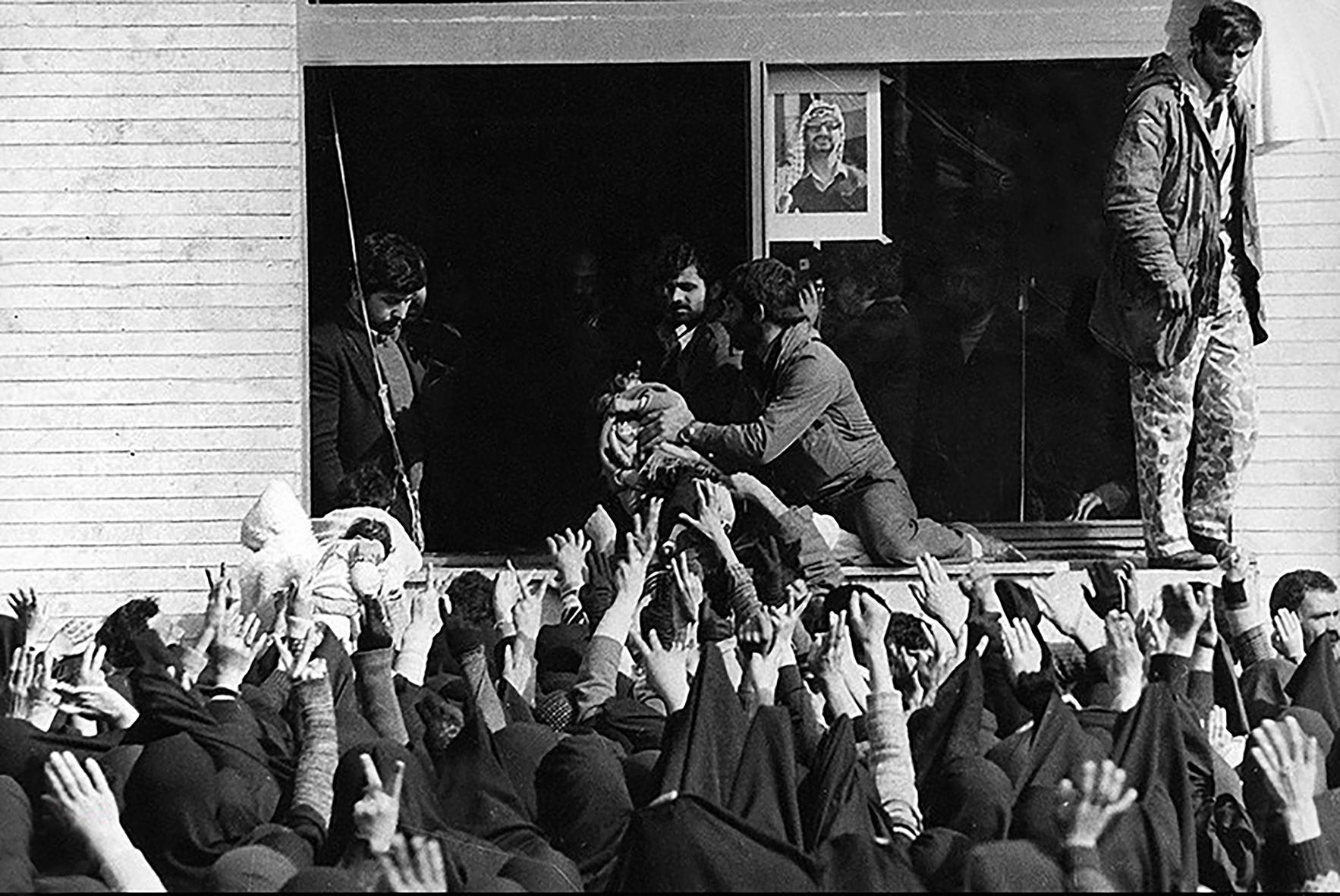
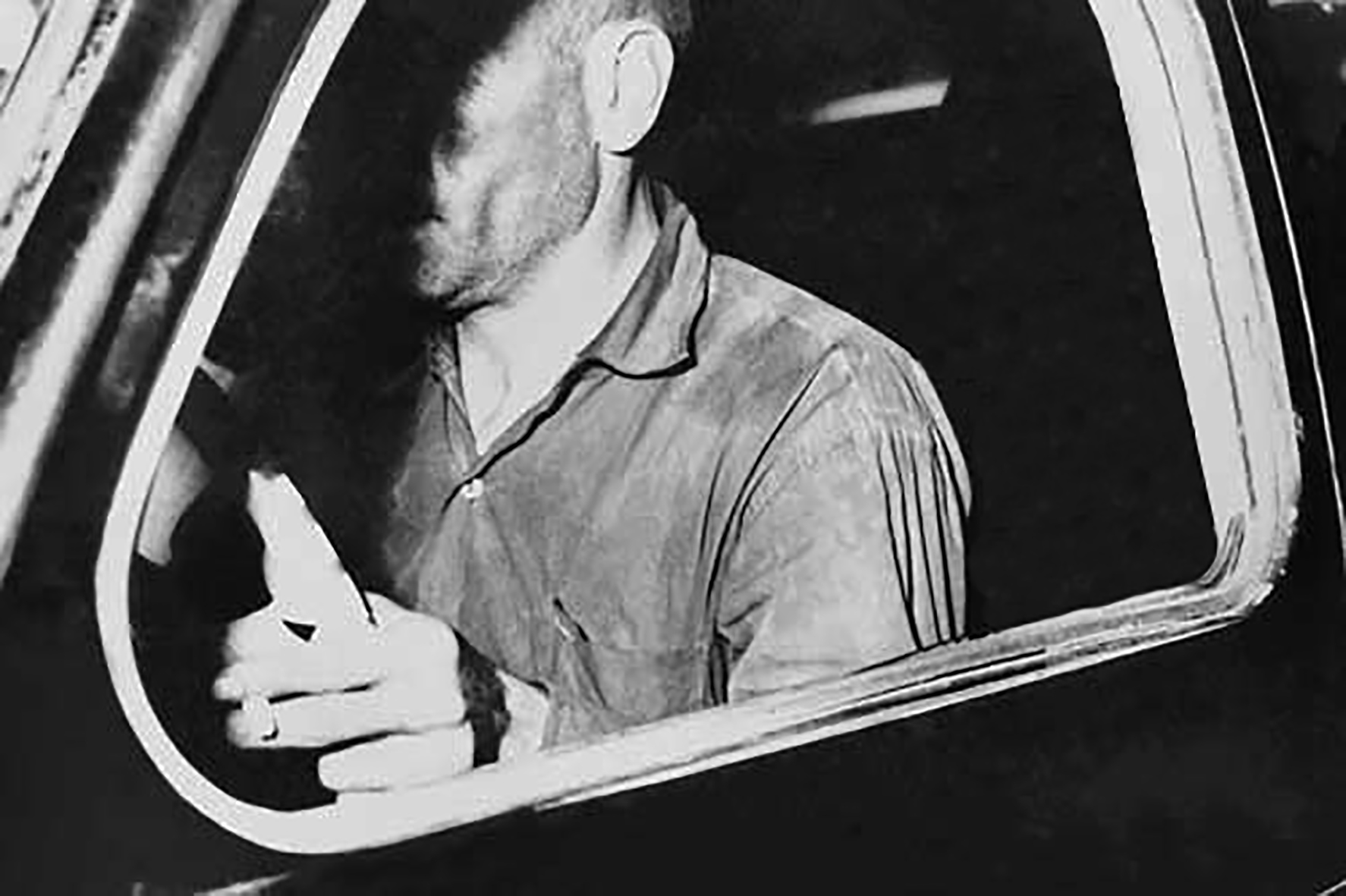
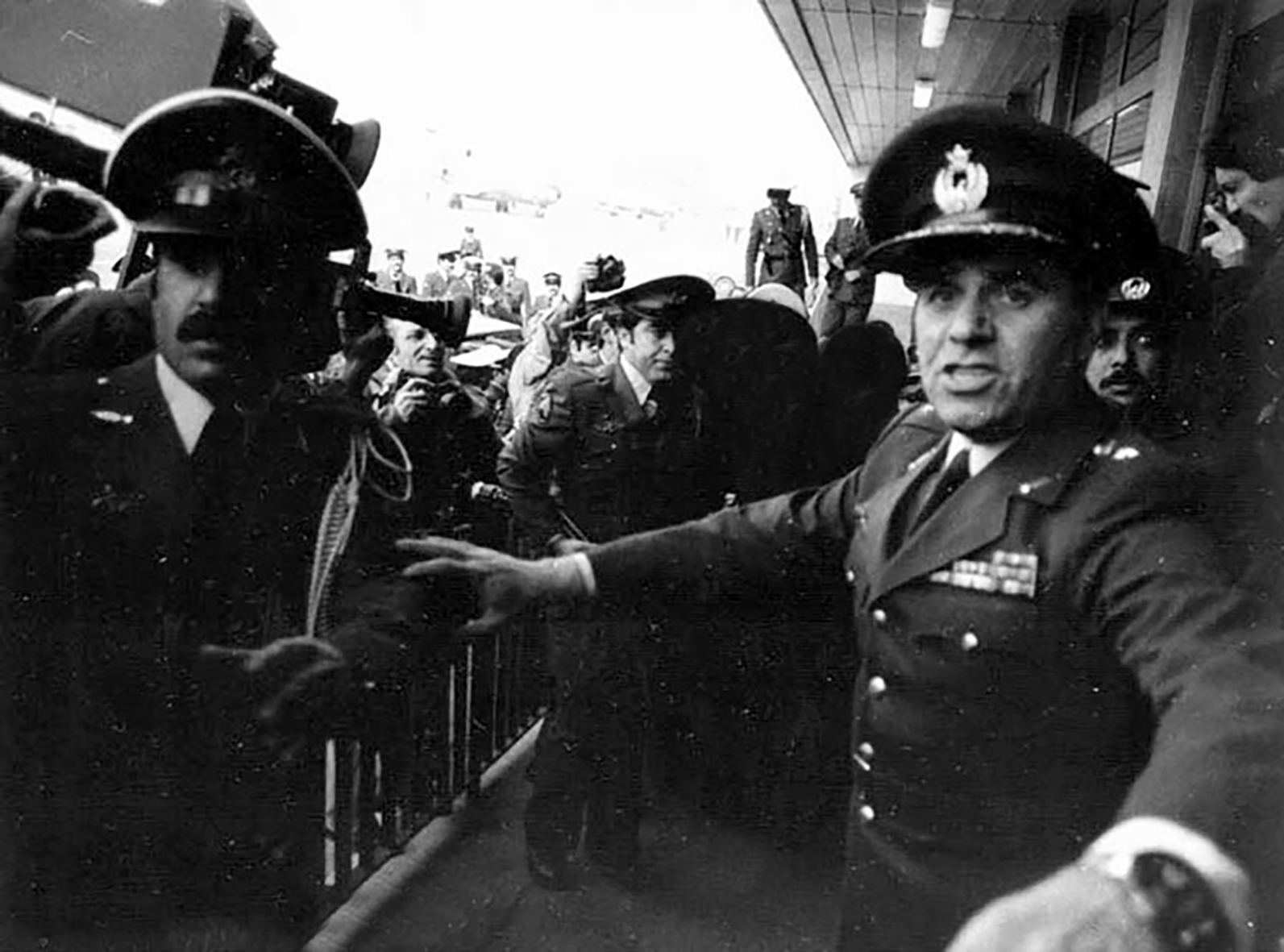
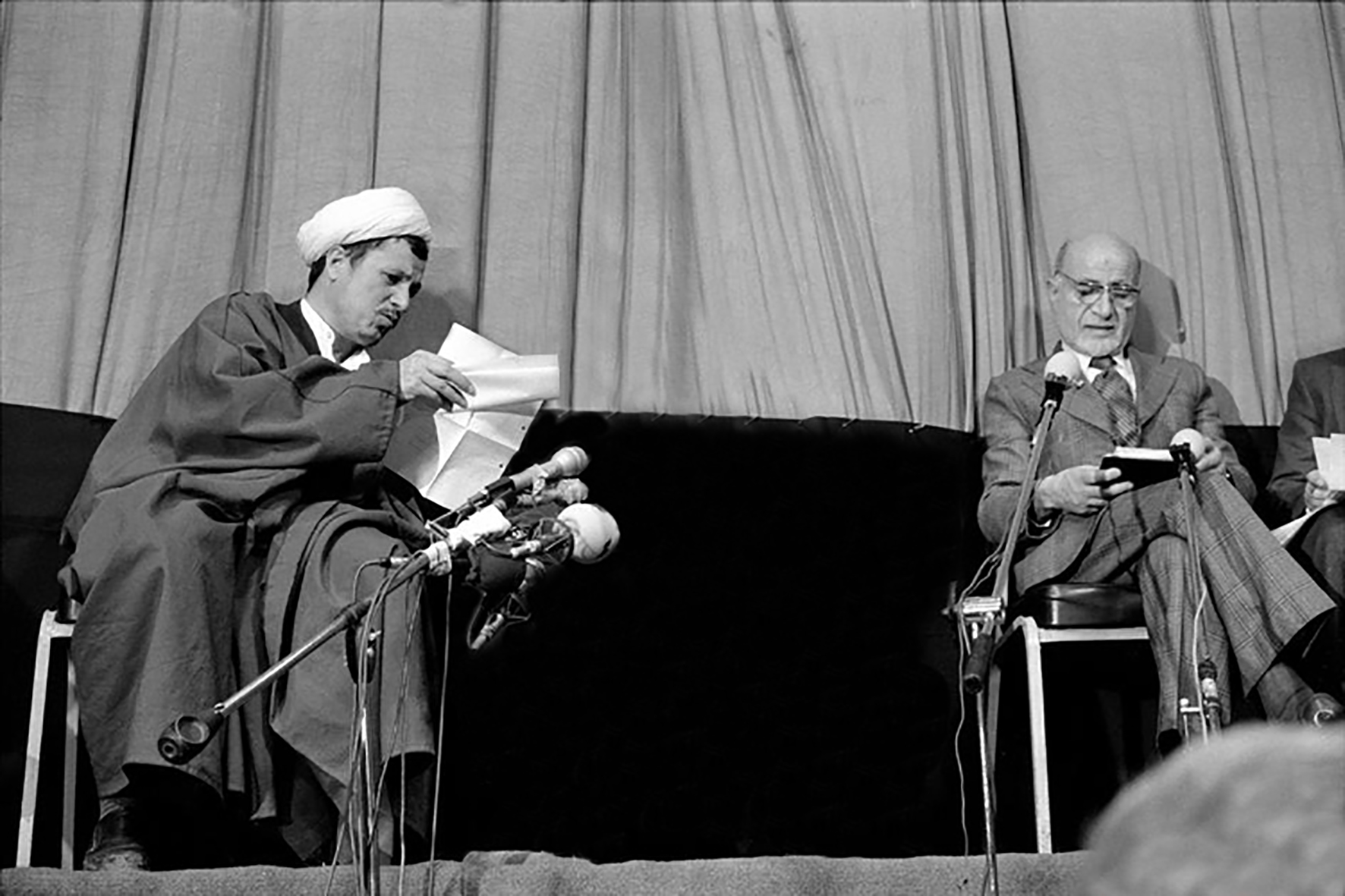
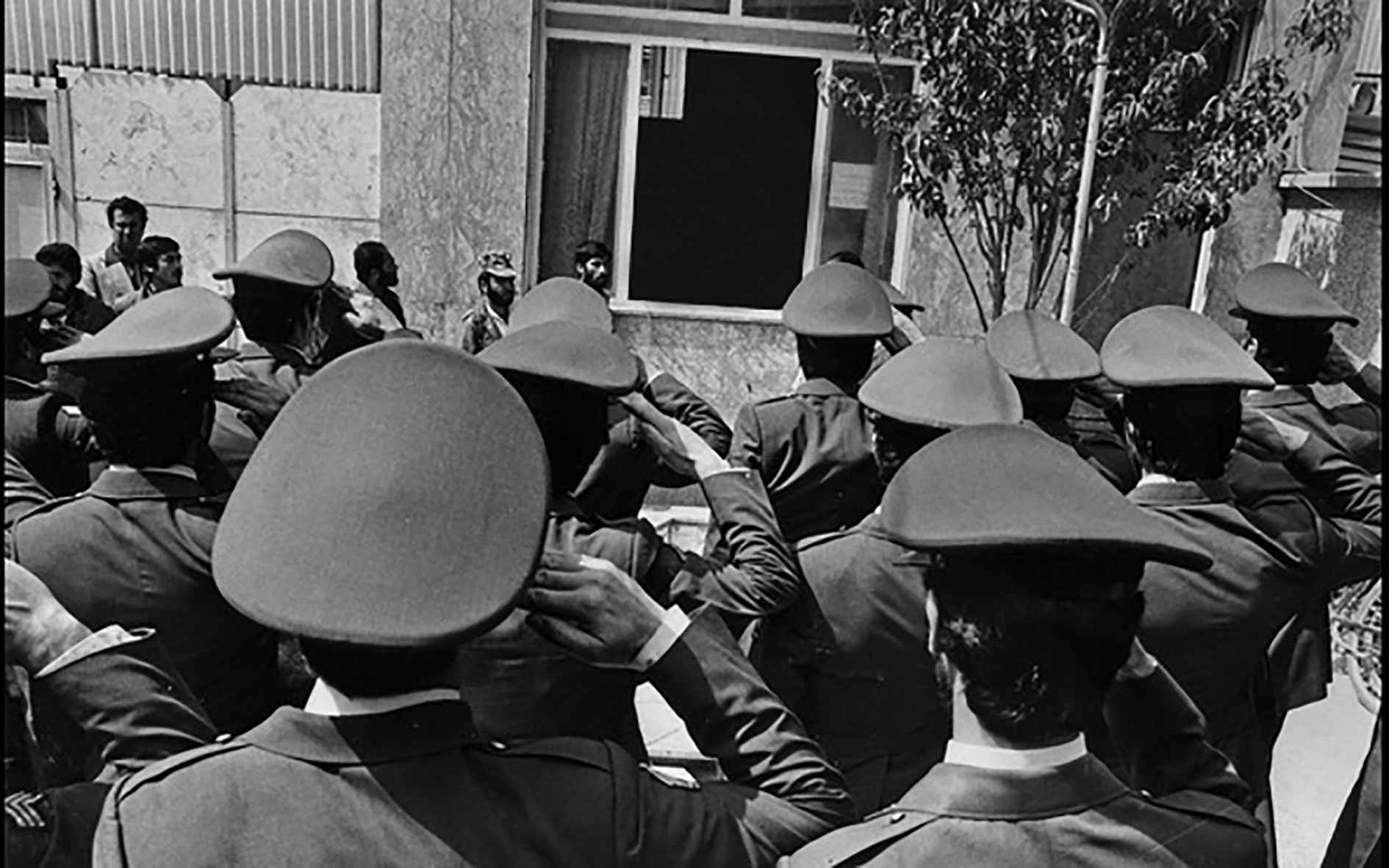
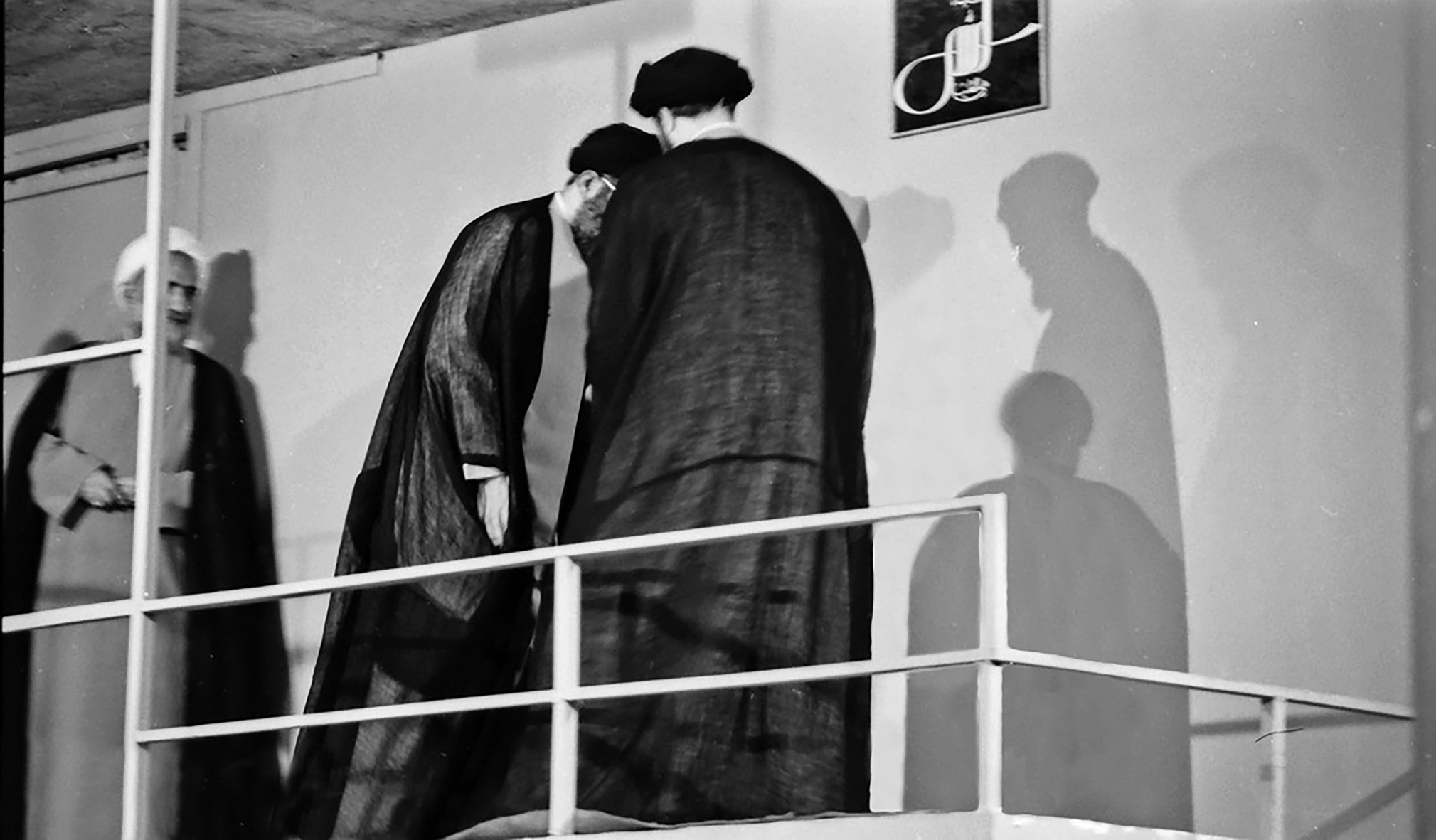
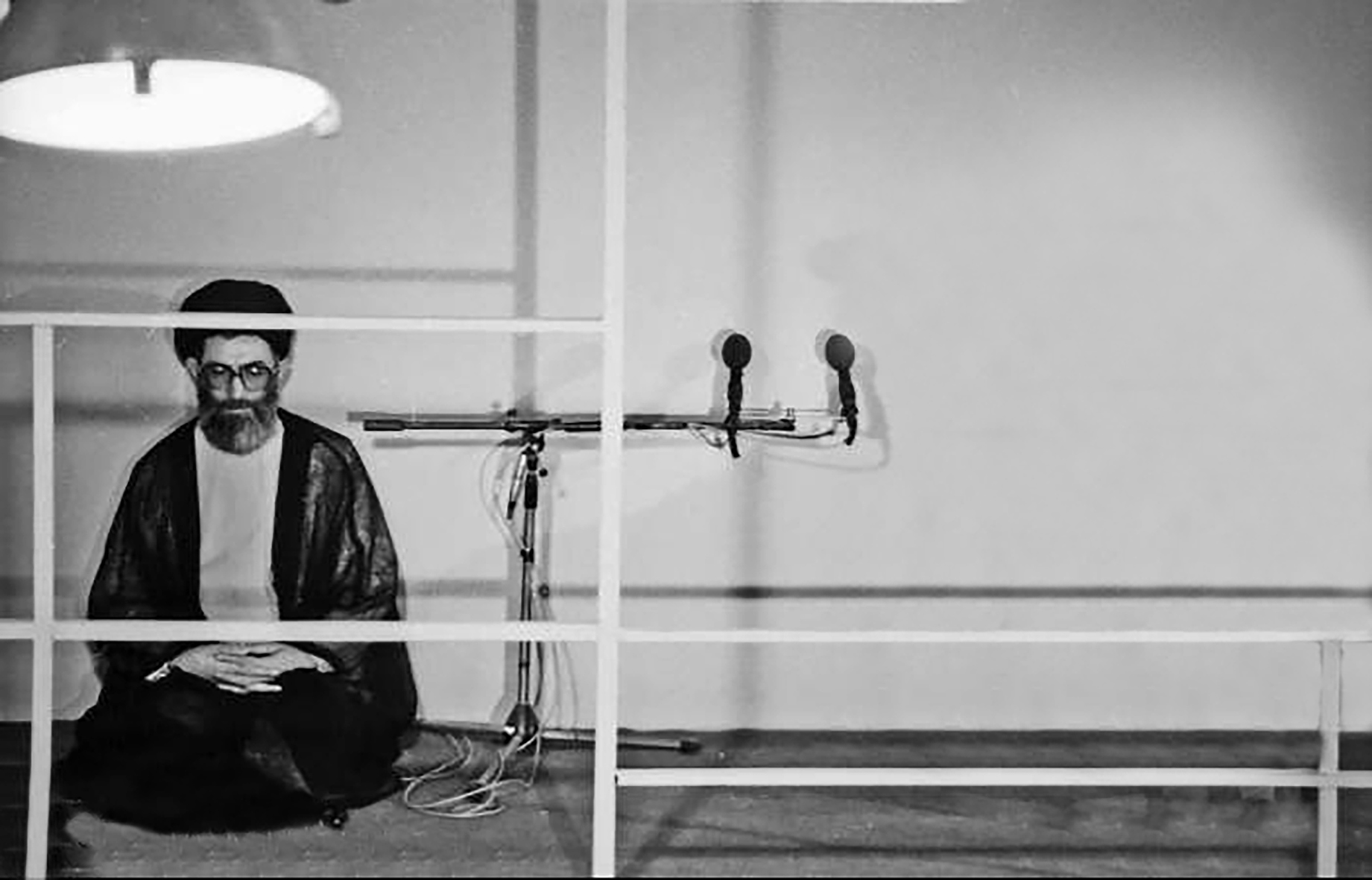
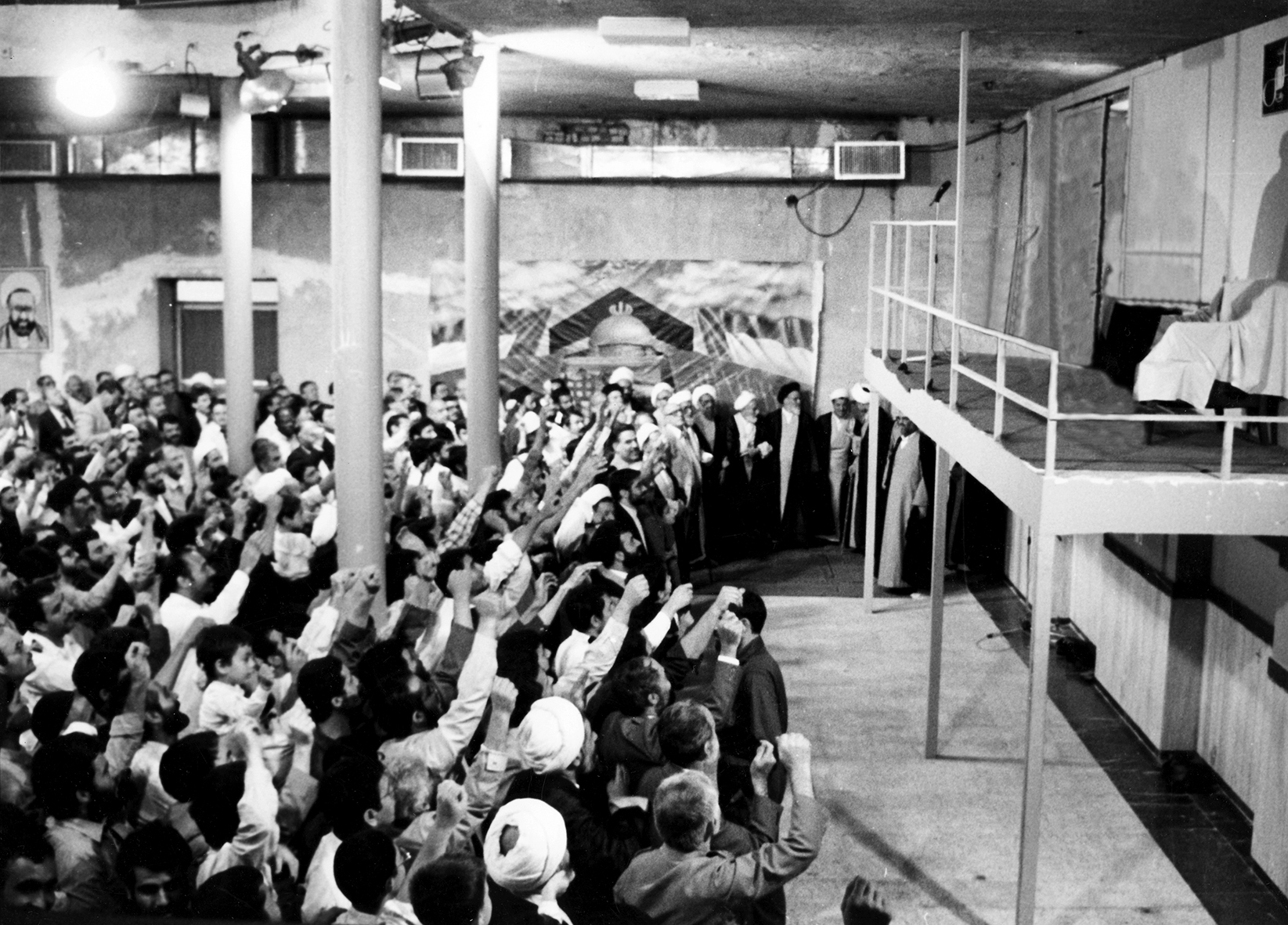
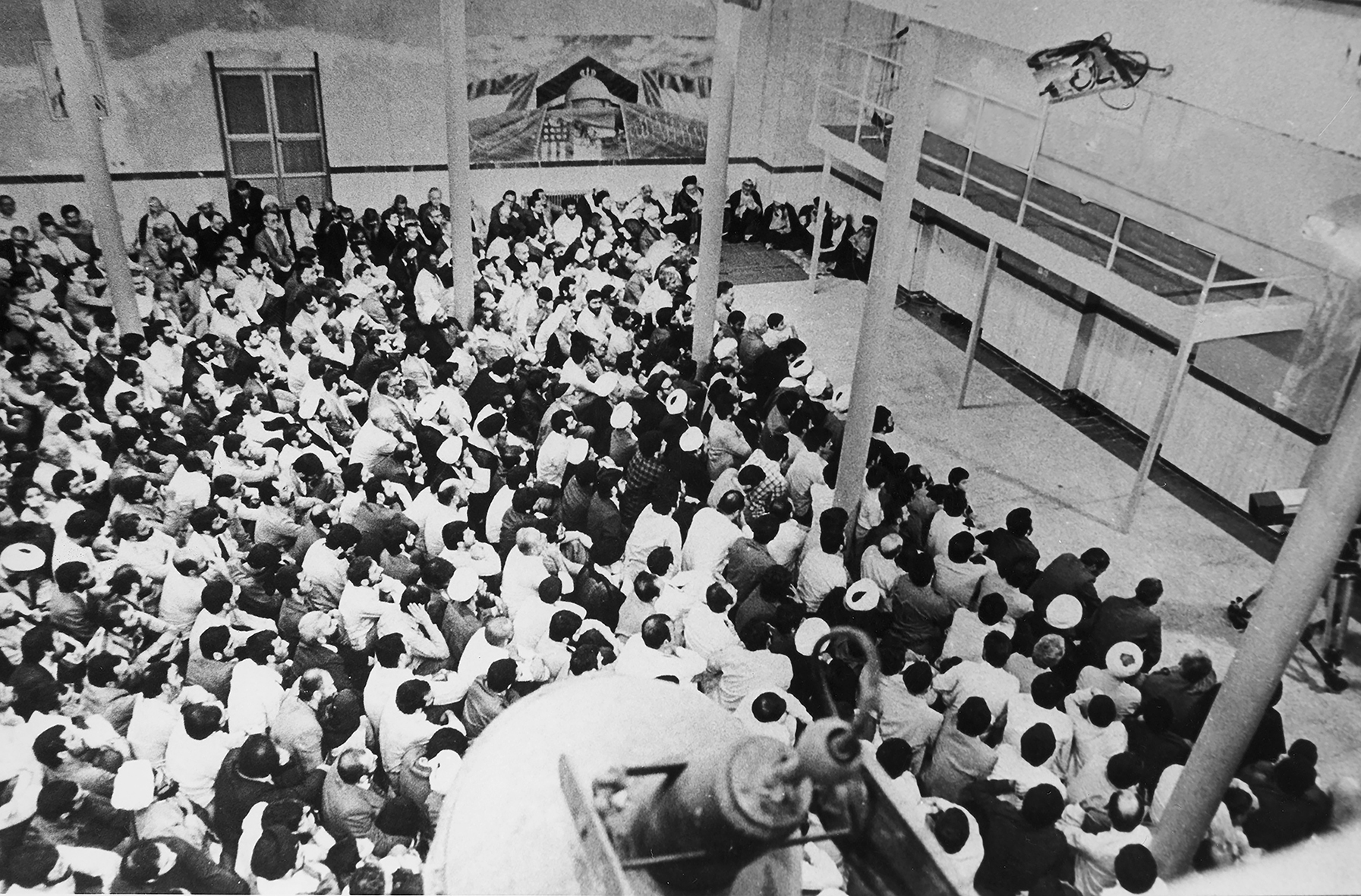
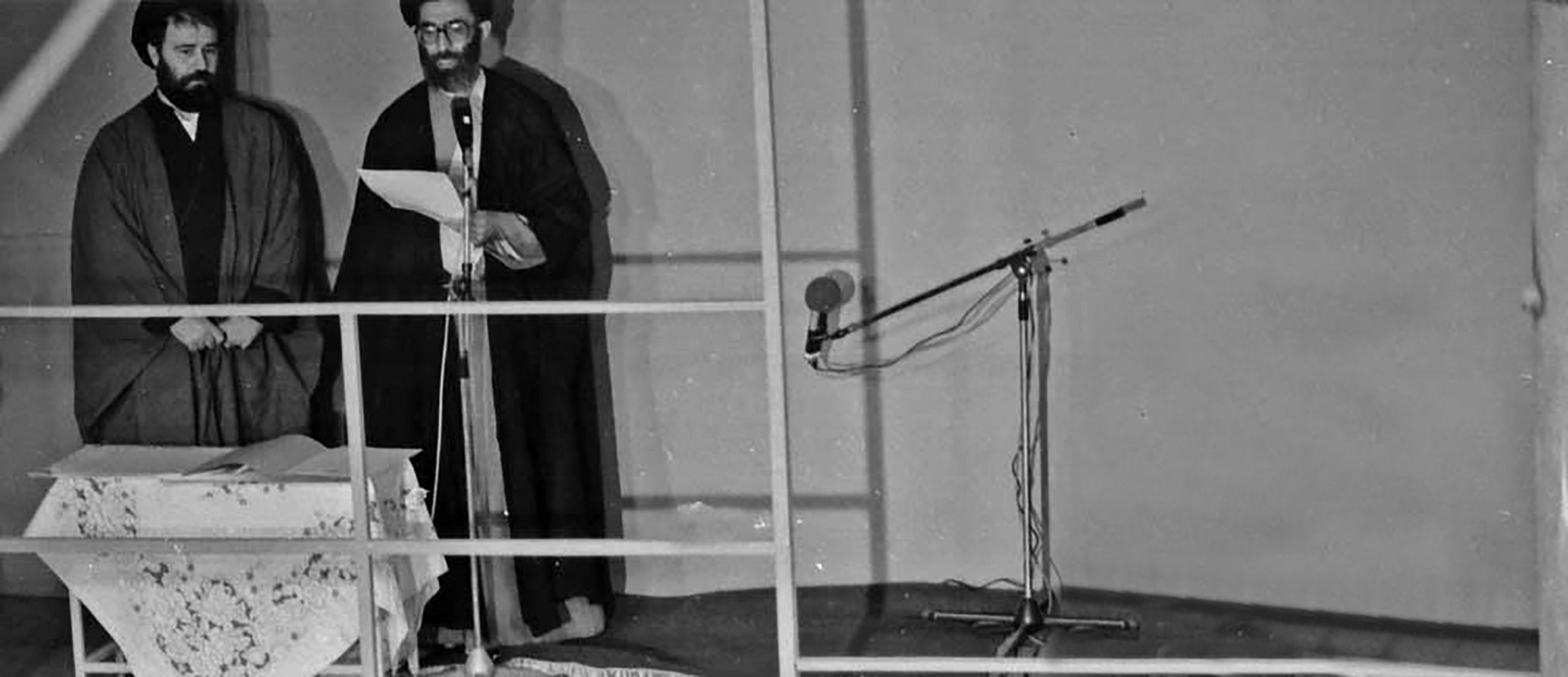
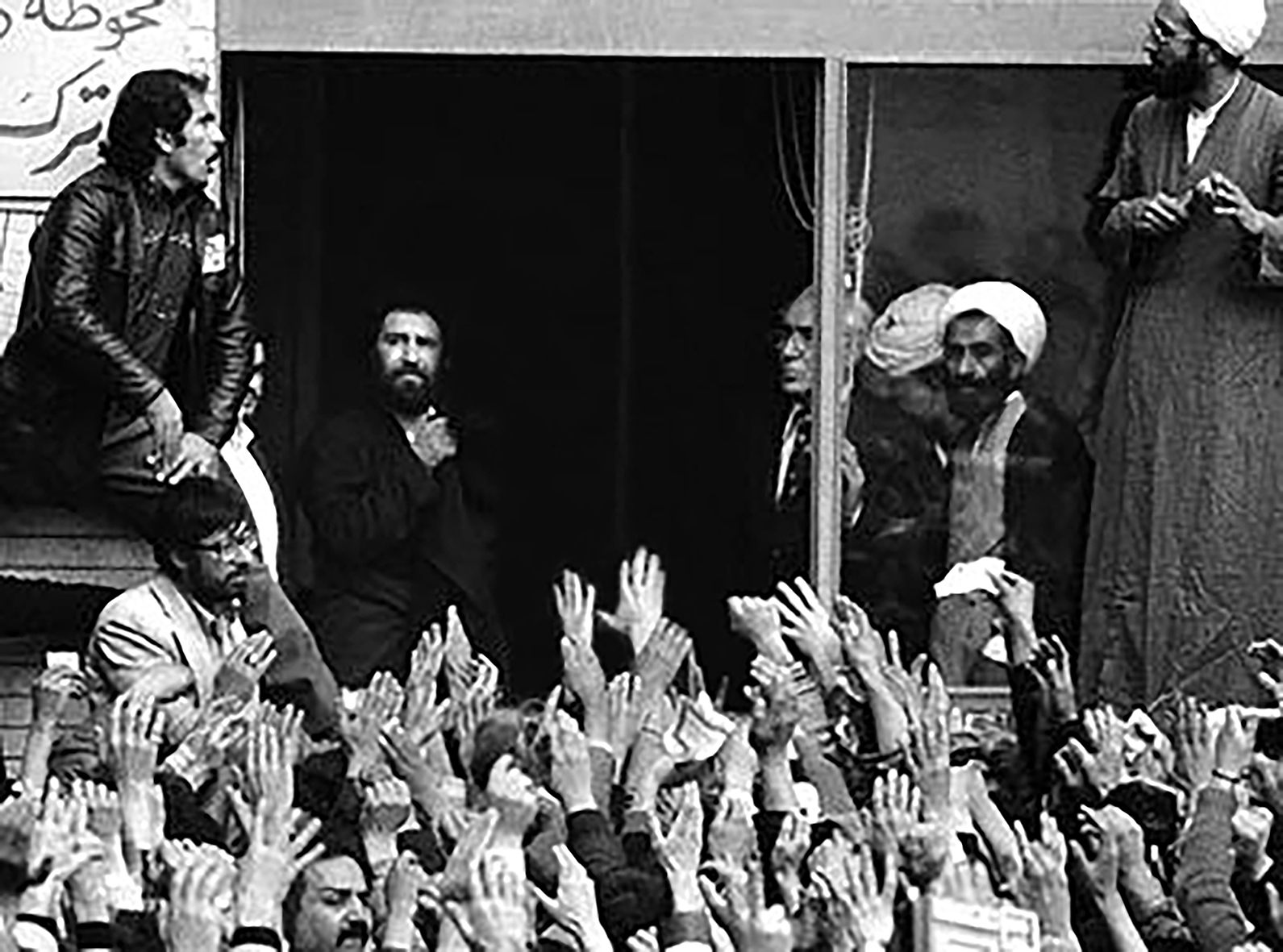
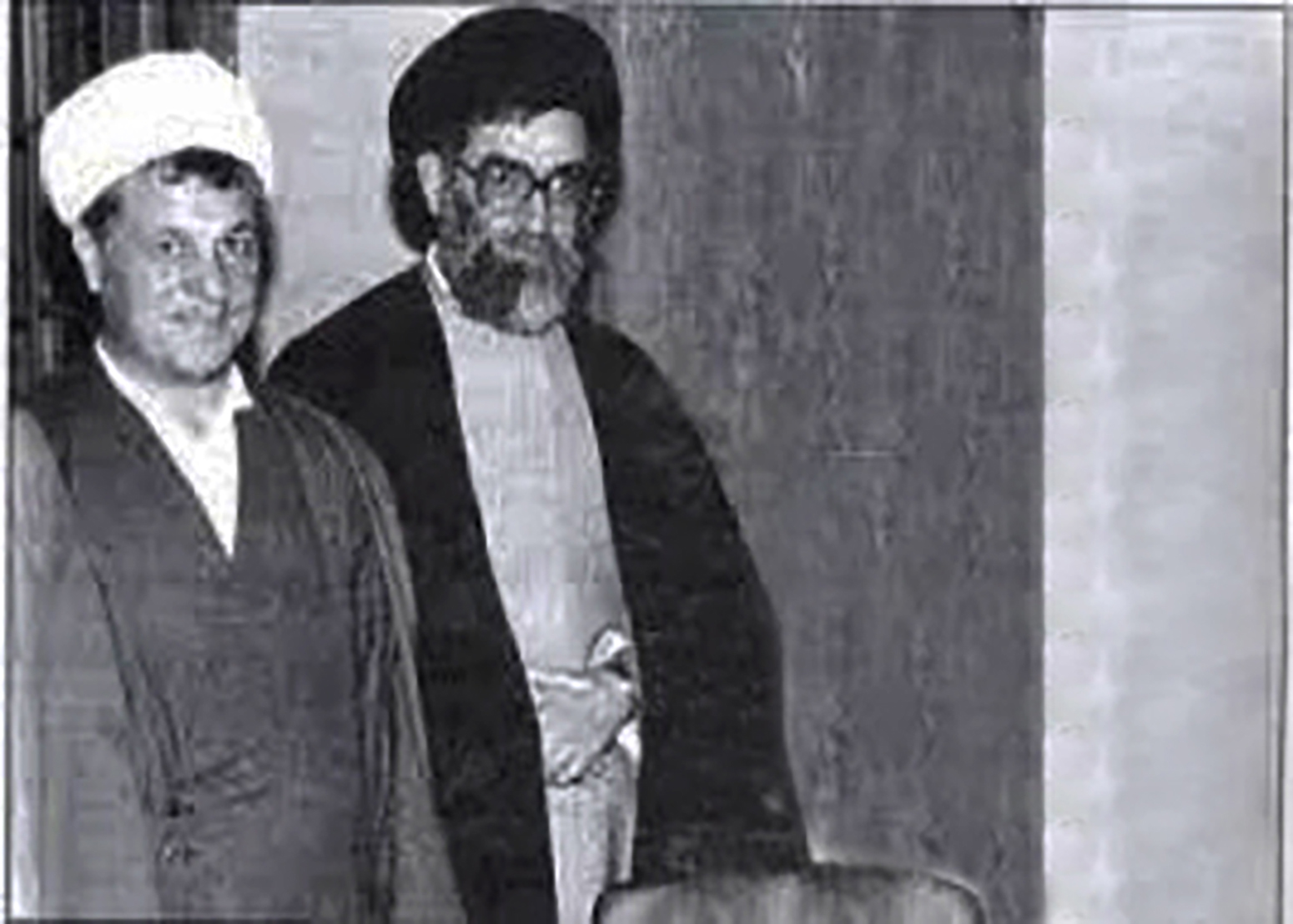
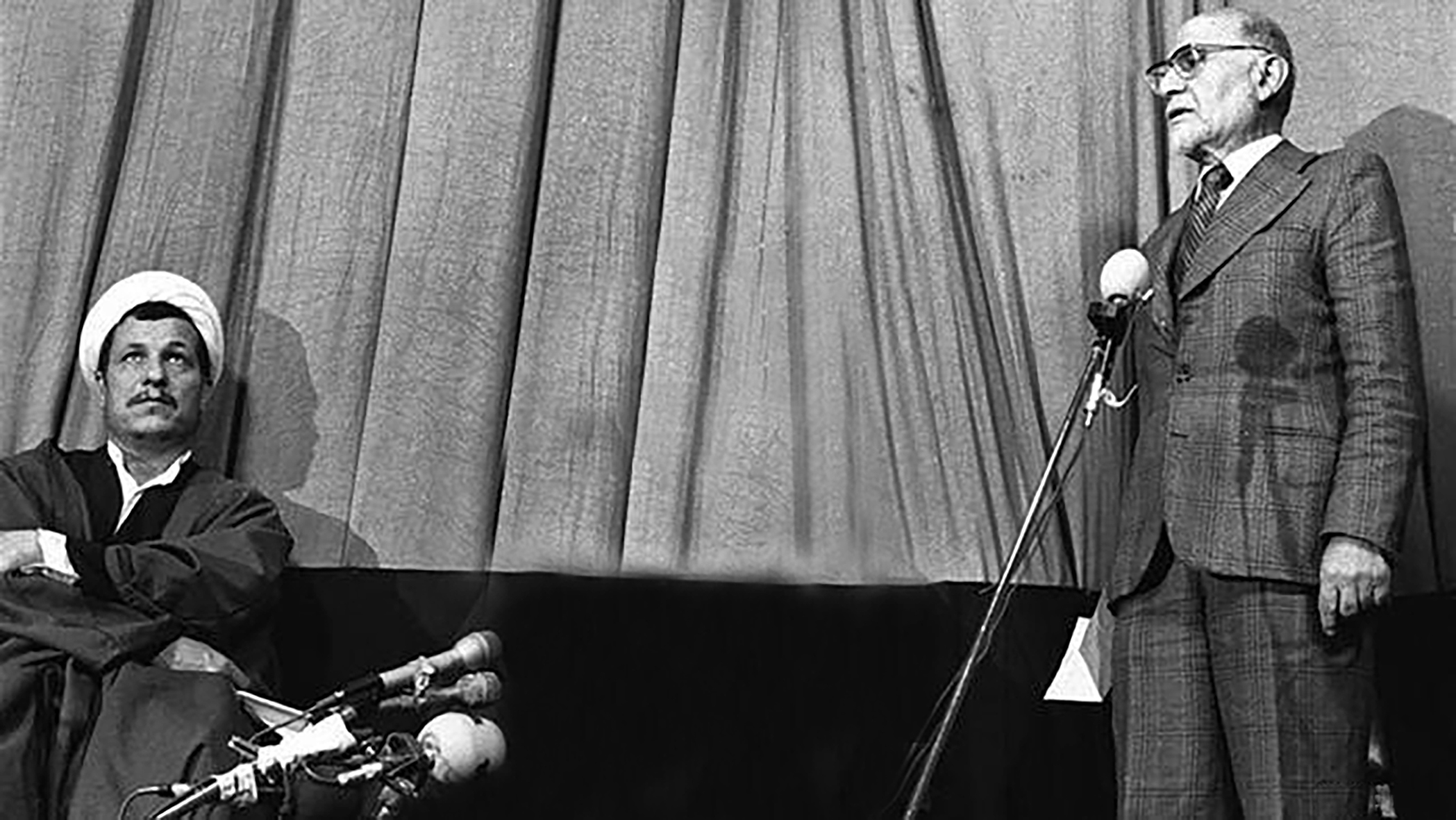
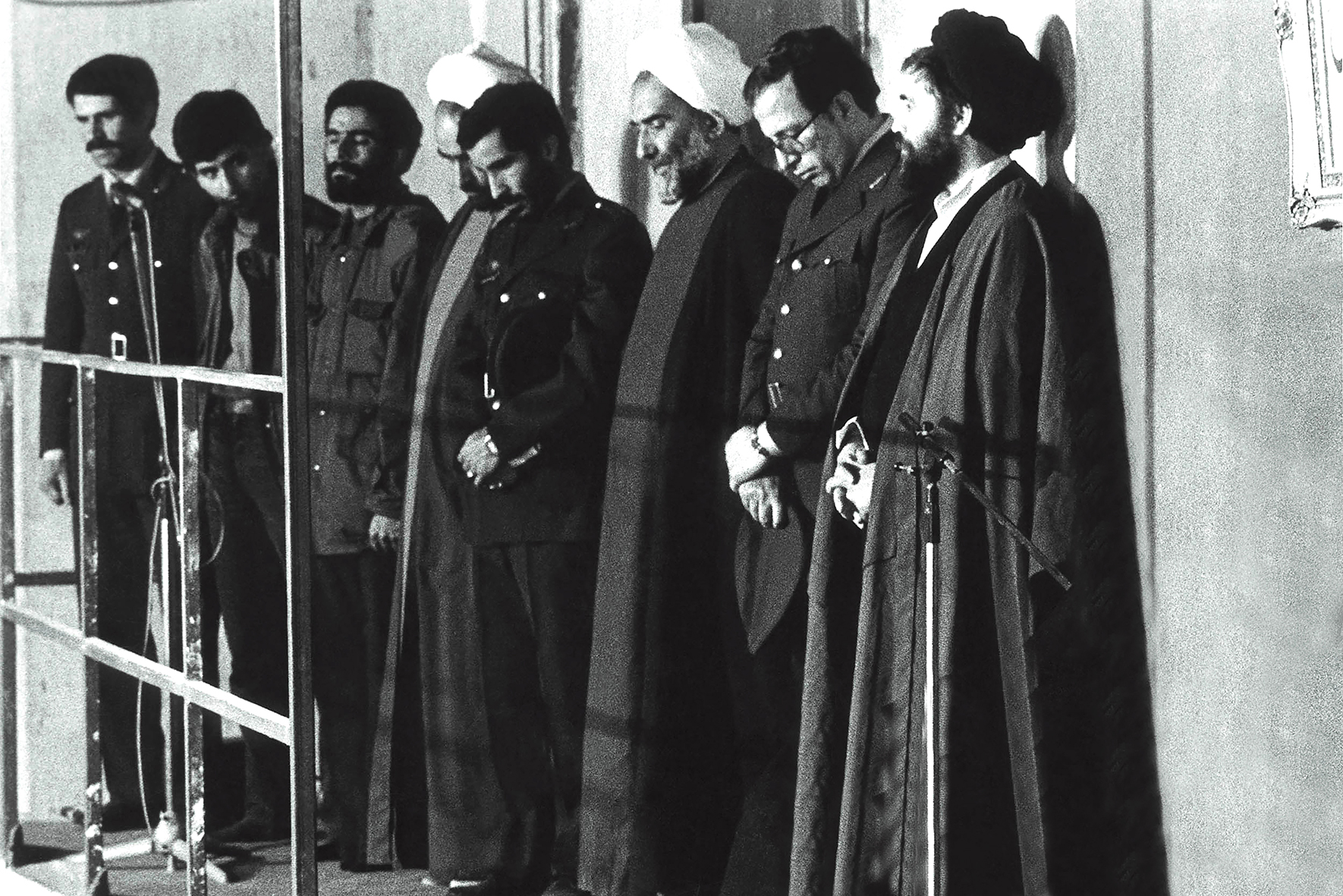
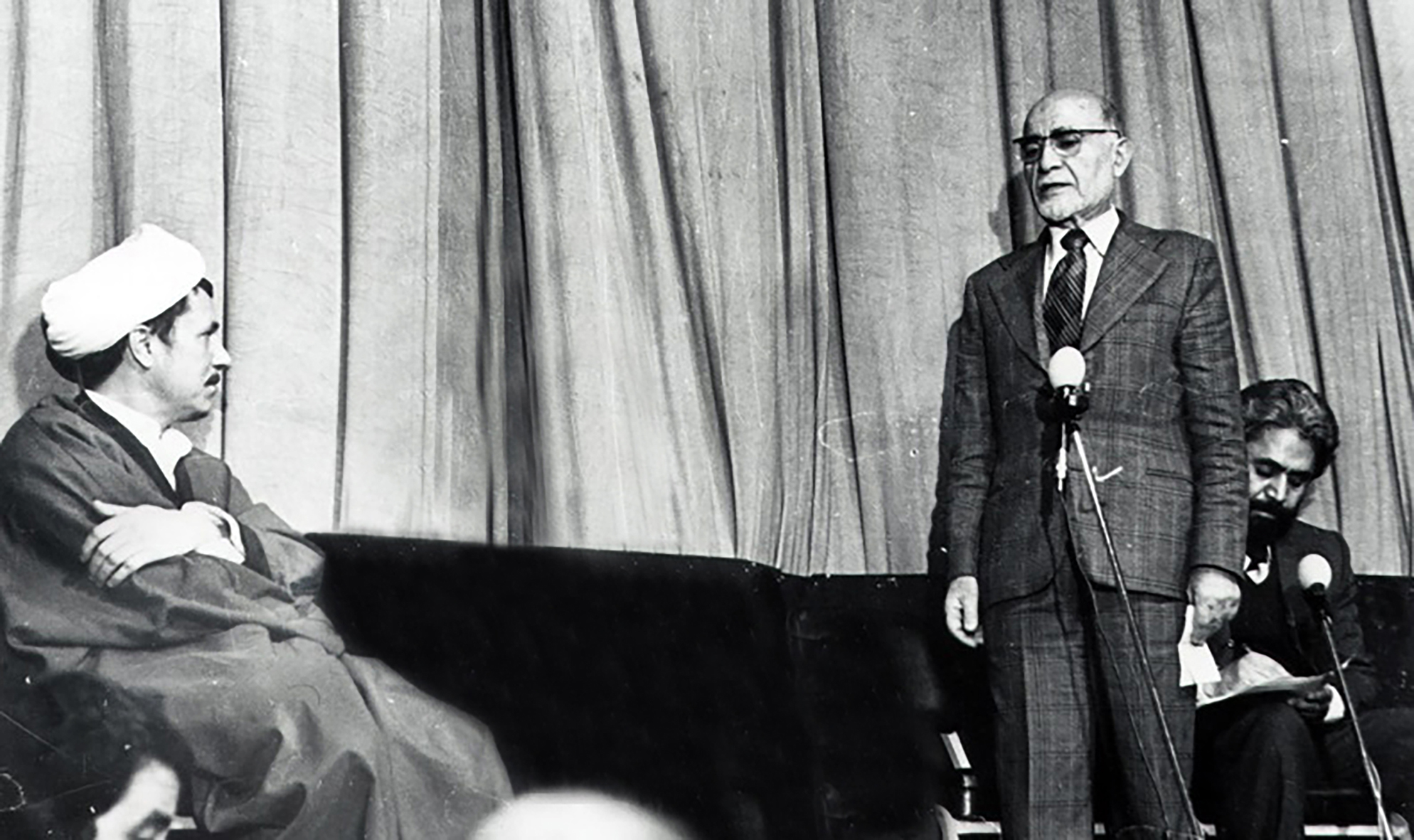
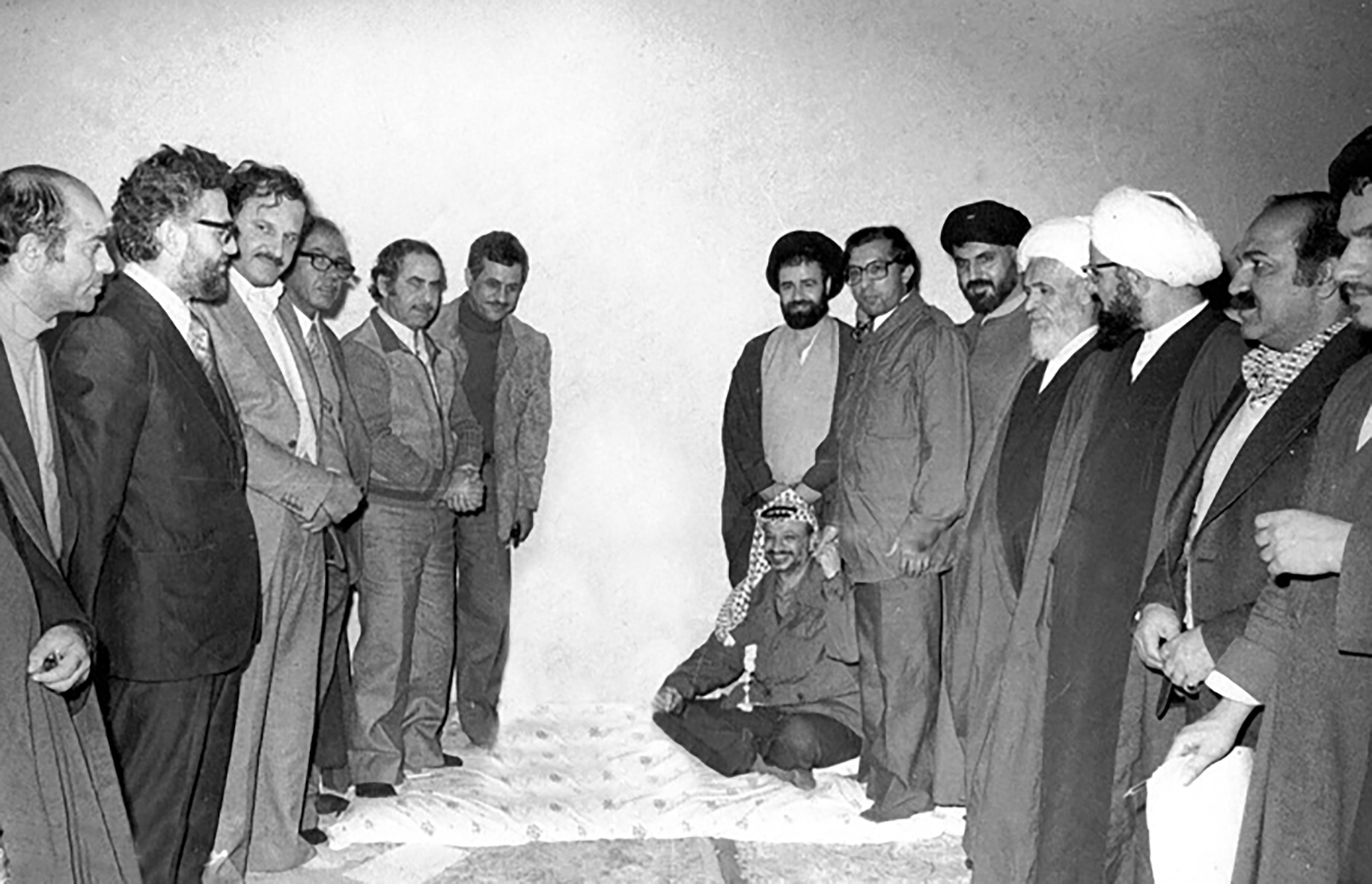
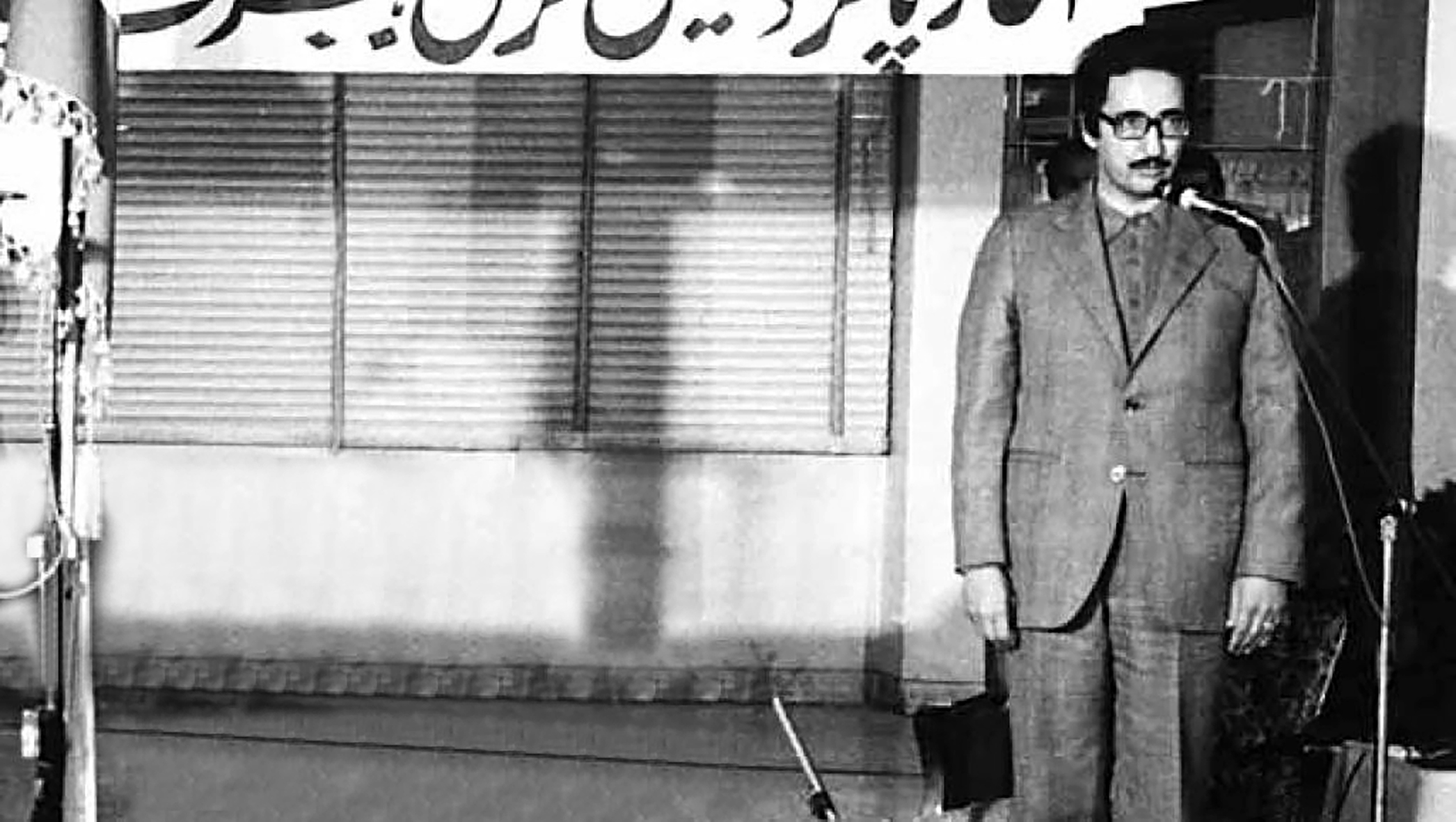
Hauntography of a Revolution is a counter-archival project that explores the mechanisms through which ideas transform into collective belief and how ideology materializes through images, symbols, and historical narratives. By reinterpreting archival photographs from the 1979 Iranian Revolution and removing Ruhollah Khomeini from them, the project investigates how political power is constructed, internalized, and sustained through visual culture. The work examines not only the production of belief, but also the ways images become instruments through which abstract ideas acquire material, social, and historical permanence.
Through this act of visual subtraction, the project transforms absence into a form of presence. The empty spaces left behind are not voids but haunted sites, spectral traces that reveal how power continues to operate through what is unseen, unspoken, and suppressed. Drawing on hauntological approaches to history and memory, Hauntography of a Revolution destabilizes the sanctified visual narrative of the revolution and questions the inevitability of the political order that emerged from it. What alternative futures were erased beneath the official image? What possibilities disappeared through the consolidation of ideological authority? The archive here becomes a living and unstable terrain rather than a fixed historical record. By removing the central symbolic figure around whom revolutionary imagery was constructed, the work exposes the fragile architecture beneath ideological representation and opens space for speculative reinterpretation. The project situates itself between memory and forgetting, between documentation and fiction, revealing how historical images continue to shape contemporary consciousness. Created in 2018, the project could not be publicly exhibited in Iran due to political restrictions on revolutionary imagery. Since then, however, the political context has shifted significantly. In the wake of the new Ayatollah’s withdrawal from public visibility and the rise of a more spectral form of authority—sustained through absence and inherited symbolic power—the work has gained renewed resonance.
Ultimately, Hauntography of a Revolution operates as both a form of visual exorcism and a critical inquiry into the entanglement of absence and power in the history of political Islam, extending its implications into the present epoch.